You don't have to feel confident to compete confidently.
Bad games, strikeouts, errors, nerves, and slumps happen. The goal isn't to never struggle. The goal is knowing what to do when you do.
The last play is over.
A 30-second Release. Reset. Attack. routine with your own cue words.
Just your email — no account needed.
Build proof. One day at a time.
How did I bounce back today? Your confidence reps, streaks, and journal.
Takes 30 seconds. Your streaks and journal stay private to you.
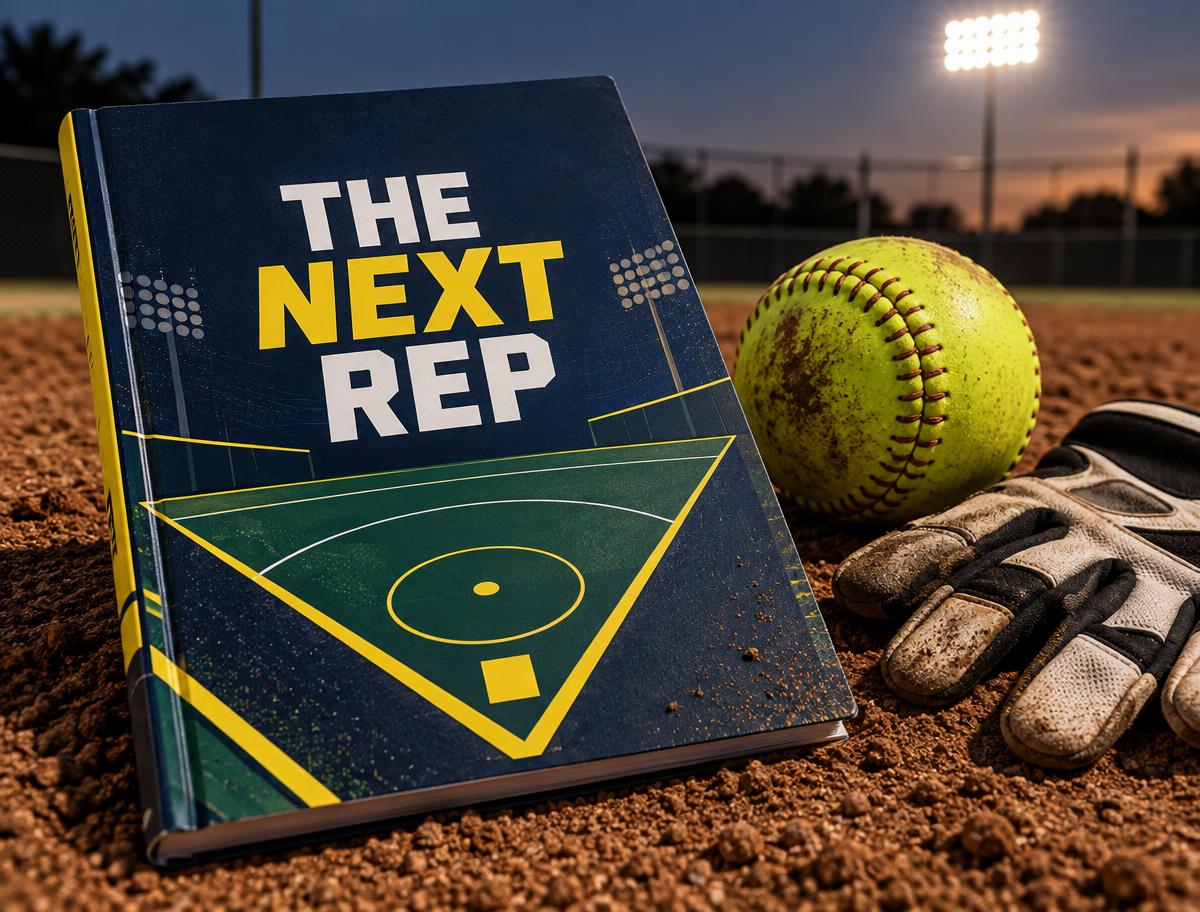
Your personal mental-game system.
Not a diary. Not homework.
Short, practical reps for recovering after mistakes, handling pressure, and competing one pitch at a time.
I made a mistake—and I still want the next ball.
Questions, answered.
How do I stop thinking about my last strikeout or error?
+
You can't change the last play, but you can practice what you do right after it. That's what RELEASE, RESET, ATTACK is for. Release the play with a physical cue, like tapping your glove or fixing your helmet. Reset with one slow breath. Attack the next play with one clear job, like "I want the next ball." The key is practicing it after every rep in practice, so it's automatic when a game gets tough.
Why do I play great in practice but freeze in games?
+
In practice, you're focused on doing the skill. In games, your focus often jumps to the result: the score, who's watching, what happens if you fail. Your skills didn't disappear. Your attention moved. Bring it back with a short routine you use in both places: a physical cue, one breath, and a cue word. When your practice routine and your game routine match, games start to feel more like practice.
How do I get out of a hitting slump?
+
Stop judging every at-bat by whether you got a hit. You can line out hard twice and have a great day at the plate. Measure what you control: Did you swing at strikes? Were you on time? Did you commit to your swing? Then, after every game, write down 3 good things before one thing to work on. When I stopped forcing hits and focused on my plan, the hits came, and so did the walks.
What should I say to myself in the batter's box?
+
Say what to do, not what to avoid. "Don't strike out" puts strikeouts in your head. "See it early" gives you a job. Keep it short, 4 words or fewer, and make it about this pitch, not the last one. Pick one cue word and say it before every pitch.
How do I handle nerves before a big game?
+
Nerves don't mean you're not ready. They mean you care. You don't have to make them go away. You just need something to do with them. Try this: breathe in for 4 counts, then out for 6. A longer breath out helps your body slow down. Then say your cue word and commit to your next action. You can be nervous and still compete.
How do I deal with a bad umpire call?
+
Ask yourself, "What can I control right now?" You can't control the call. You can control the next 5 seconds: step out, take a breath, say "next pitch," and step back in. The player who's still mad about the last pitch is giving the pitcher an advantage on this one.
What do I do when I'm benched or lose playing time?
+
It's okay to be disappointed. Then put your energy into what you can control: your effort in practice, your attitude in the dugout, and how you support your teammates. If you want to know how to earn more time, ask your coach respectfully: "Coach, what's one thing I can work on to help the team?" That question shows maturity, and it gets you a real answer.
What is the Player Workbook?
+
A short, practical workbook ($7) with reps for recovering after mistakes, handling pressure, and competing one pitch at a time. Not a diary. Not homework.
Answers from Angela Biddlestone, founder of The Next Rep.
Get the free Player Workbook →