
Angela Biddlestone
Founder of The Next Rep
College recruiting can be exciting, but let's be honest. It can also be overwhelming!
When should your athlete start contacting coaches? How do scholarships work? Are recruiting camps worth the money? Should you pay for a recruiting service? And how do you know whether a school is actually the right fit?
Having spent most of my life around softball, both playing and coaching at the college level, I've seen how stressful this process can become for families.
Get the free workbook
Free download: The Next Rep Workbook
Get the free workbook made for you: player, parent, or coach.
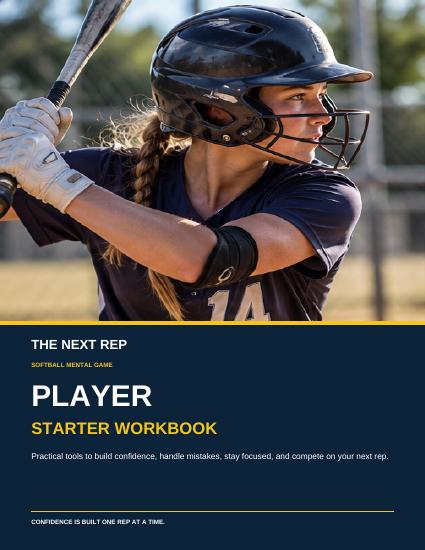
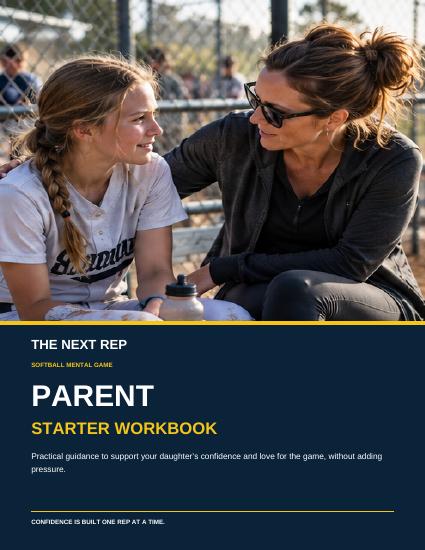
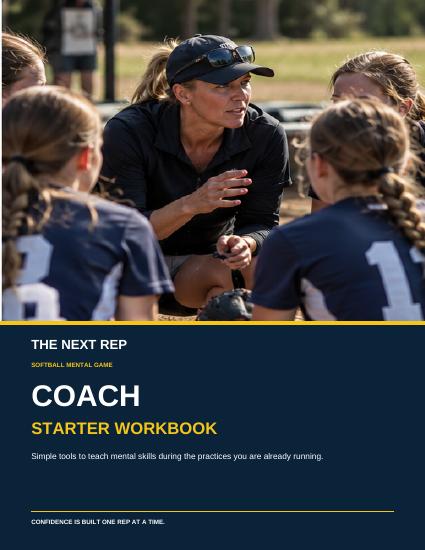
But here's something I wish more parents understood:
The goal isn't just to get recruited. It's to find a college where your athlete can succeed academically, athletically, socially, and financially.
I've put together a few resources and recommendations to help families navigate the process without making it more complicated than it needs to be.
1. Your Athlete Should Be Driving the Recruiting Process
I cannot emphasize this enough!
Your athlete should be the one communicating with college coaches. Not you. Not their travel coach. Your athlete.
As a former college coach, I wanted to get to know the player I was recruiting.
Could they communicate? Ask thoughtful questions? Explain why they were interested in my program? Take responsibility for their future?
These things matter.
Parents absolutely have a role in the process. You should be helping your athlete understand finances, evaluate schools, plan visits, and make informed decisions.
But let your athlete take ownership of:
- Researching colleges and softball programs
- Writing emails to college coaches
- Completing recruiting questionnaires
- Preparing questions for coaches
- Following up after camps and visits
- Communicating their interests and goals
These are life skills that extend far beyond softball.
2. Understand the Difference Between Recruiting and Scholarships
One of the biggest misconceptions I see is that getting recruited automatically means receiving a full athletic scholarship.
It doesn't.
Athletic scholarship opportunities vary depending on the school, division, program, available funding, and other factors.
Families should explore more than athletic scholarships, including:
- Academic and merit-based scholarships
- Need-based financial aid
- Local and community scholarships
- Private scholarships
- Institutional grants and awards
Sometimes the best financial package isn't coming from the school with the biggest softball program.
Don't just ask how much athletic scholarship money is available. Ask what the total cost of attending that school will be after all forms of aid.
Recommended resource: How to Win College Scholarships
If you're a parent trying to better understand how to find and apply for college scholarships, this is a resource worth exploring.
Visit: How to Win College Scholarships
Scholarship research doesn't have to wait until your athlete receives recruiting interest. Families can begin learning about opportunities and organizing their search well before senior year.
Disclosure: This is an affiliate link. I may earn a commission if you make a qualifying purchase, at no additional cost to you.
3. Learn What College Coaches Are Actually Looking For
Yes, athletic ability matters. But it's not the only thing college coaches evaluate.
When I was coaching, I was looking at the whole athlete.
How did they respond after making an error? Were they coachable? How did they treat teammates? Did they compete when things weren't going their way?
College coaches are building a team, not just collecting talented players.
That means character, attitude, academics, communication, and the ability to handle adversity can all influence recruiting decisions.
And here's something else parents should remember:
Just because one athlete receives an offer and another doesn't, that doesn't necessarily mean one is better.
Programs have different positional needs, roster openings, academic expectations, and recruiting priorities.
Fit matters.
Recommended resource: *Looking for a FULL RIDE? An Insider's Recruiting Guide*
Written by former college coach Renee Lopez, this book offers an inside look at the college recruiting process.
It covers topics such as communicating with college coaches, recruiting events, eligibility rules, financial aid, and identifying schools that are a good fit.
The book draws on interviews with college coaches, athletic directors, admissions professionals, and others involved in recruiting.
Explore the book: Looking for a FULL RIDE? An Insider's Recruiting Guide
It's a helpful resource for families who want to better understand the process from a college coach's perspective.
4. Don't Get Caught Up in Division I
I see this happen all the time.
Families become so focused on Division I that they overlook schools that might be a much better fit for their athlete.
There are great opportunities across NCAA Division I, II, III, NAIA, and junior college programs.
A bigger program doesn't automatically mean a better college experience.
Think about:
- Will your athlete have an opportunity to develop and contribute?
- Does the coaching style fit their personality?
- Does the school offer the academic program they want?
- Can your family realistically afford the education?
- Will your athlete be happy there without softball?
That last question is especially important.
If softball disappeared tomorrow, would your athlete still want to attend that school?
It's a question worth asking before making a commitment.
5. You Don't Have to Spend Thousands on Recruiting
There are plenty of recruiting services that promise to help athletes get noticed.
Some families find paid guidance useful, but I don't believe every athlete needs an expensive recruiting package.
There is a lot families can do themselves.
Start with a manageable list of schools. Research their academic programs and softball rosters. Help your athlete create a simple recruiting profile and skills video.
Encourage them to reach out directly to college coaches and build genuine relationships.
And be thoughtful about camps and showcases. Attending every event isn't necessary. Focus on opportunities that align with schools your athlete is actually interested in.
Being proactive and organized is often more valuable than spending more money.
6. Keep the Recruiting Process Enjoyable
This might be the most important advice I can give parents.
Don't let recruiting take away your athlete's love of softball.
There will be unanswered emails, disappointing performances, unexpected opportunities, and plenty of uncertainty.
That's normal.
Your athlete's value isn't determined by the number of coaches watching them, the offers they receive, or the division they eventually play in.
Help them stay focused on developing their skills, building confidence, enjoying their teammates, and becoming a better person.
College recruiting should be part of their softball journey, not the entire reason they're playing.
A Few Final Thoughts for Parents
Your job isn't to get your athlete recruited.
Your job is to help prepare them to make good decisions, advocate for themselves, and find an opportunity that fits who they are.
Educate yourself. Ask questions. Understand the financial side. Be there when your athlete needs guidance.
But let them lead.
And most importantly, remember that softball is something they do. It isn't who they are.
Additional Resources from The Next Rep
At The Next Rep, I believe developing the whole athlete is just as important as developing physical skills.
Confidence, resilience, handling mistakes, and performing under pressure are all skills that can be taught and practiced.
I've created free mental training resources for softball players, parents, and coaches to help make those skills part of everyday development.
Explore our free resources: Explore free resources from The Next Rep
Because confidence isn't built through one great performance or one recruiting offer.
Confidence is built one rep at a time. 🥎💛
---
Note: Recruiting and scholarship rules can change. Always confirm current requirements with the appropriate athletic governing body and individual college programs.
Want this on paper? Get the free workbook.
These tools are educational and are not a substitute for mental health care.